
Esports Tournaments at UK Festivals: A Growing Trend in 2026
From the main stage to the gaming arena, we’re witnessing a seismic shift as esports tournaments become a headline act at UK festivals. No longer confined to dark rooms and online streams, competitive gaming is stepping into the muddy fields and crowded tents of the summer circuit. In 2026, the question for festival-goers isn’t just “who’s headlining?” but also “what’s the tournament prize pool?” This integration represents a fundamental change in how festivals define entertainment, engagement, and sponsorship, creating both thrilling opportunities and complex challenges for organisers and audiences alike.
The Main Stage is Now a Gaming Arena
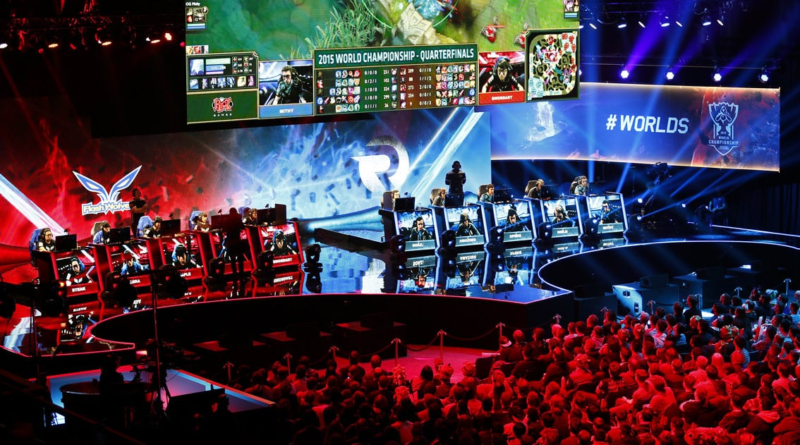
The physical footprint of esports at UK festivals has expanded from a few consoles in a corner to dedicated, high-spec arenas that command as much attention as any musical act. These are not mere pop-ups; they are sophisticated operations featuring professional-grade equipment, tiered seating, and live broadcast capabilities. The scale signals a permanent shift, positioning competitive gaming as a core festival activity rivalling traditional attractions.
From Sideshow to Headliner: The Infrastructure
Gone are the days of rickety marquees with lagging screens. Today’s festival esports setups boast infrastructure that would impress a pro league. The iconic Red Bull Gaming Truck at Reading & Leeds Festival is a prime example—a mobile, fully-equipped broadcasting studio that hosts intense knockout tournaments amidst the rock and indie crowds. Similarly, Belong Gaming Arenas by GAME have become a familiar sight, deploying their modular, arena-style setups at various events to create instant community hubs. This investment in professional infrastructure underscores a serious commitment, transforming esports from a casual distraction into a destination in its own right.
Case Study: The Festival LAN Party Experience
Beyond the pro-style tournaments, many festivals are successfully recreating the communal thrill of a LAN party. These zones offer dozens of linked stations where friends and strangers can squad up for popular titles in a more casual, drop-in environment. It’s a powerful draw, combining the social buzz of a festival with the cooperative and competitive spirit of gaming. This experience taps directly into the way younger audiences socialise, blending physical and digital interaction seamlessly within the festival grounds.
Why Festivals Are Betting on Esports
This isn’t a niche trend driven by gamer enthusiasm alone; it’s a calculated strategic move by festival organisers. The integration of esports addresses several key commercial and operational challenges head-on, offering a new model for audience growth and revenue generation in an increasingly competitive live events market.
Demographics: Capturing the Gen Z Audience
The primary driver is demographic. Festivals are in a relentless pursuit of Gen Z and the emerging Gen Alpha, cohorts for whom gaming is a primary cultural and social pillar. By incorporating esports, festivals instantly become more relevant to these audiences. It’s a powerful tool for diversification, attracting attendees who might be as excited by a Rocket League championship as they are by a chart-topping DJ. Furthermore, it provides weatherproof, engaging content—a logistical godsend in the British summer—keeping crowds entertained regardless of rain or shine.
Sponsorship & Commercial Appeal
Esports opens a lucrative new pipeline for sponsorship, attracting brands from outside the traditional festival sphere. Technology giants like Intel and NVIDIA seek to showcase their hardware, while lifestyle brands like Monster Energy and Corsair align with the high-energy, youth-centric vibe. This diversifies revenue streams and funds larger, more impressive productions. The commercial appeal is clear: a dedicated, engaged audience in a high-exposure environment, perfect for launching products or building brand affinity with a highly coveted demographic.
The Gambling Sponsorship Dilemma
However, this gold rush of sponsorship brings with it a significant and controversial partner: the gambling industry. The alignment between esports, its young audience, and betting brands presents a profound ethical dilemma, particularly when this crossover occurs at festivals with family-friendly reputations.
Brands in the Spotlight: Bet365 & Lottoland
Major UK gambling firms have been quick to capitalise. Bet365’s sponsorship of UK esports teams and events has normalised their presence in the space, often integrating betting odds and promotions directly into tournament streams. Even more telling is the collaboration between high-street retailer GAME, through its Belong arenas, and Lottoland’s partnership with British Esports. This brings gambling-adjacent advertising directly into communal gaming spaces, blurring the lines between retail entertainment and gambling promotion in a setting accessible to minors.
A Youth Festival’s Editorial Stance
For festivals with a significant youth audience, this creates an unavoidable conflict. The UK is engaged in an ongoing regulatory conversation about gambling advertising, particularly its impact on young people. Allowing these brands to sponsor festival esports events, even if age-restricted, effectively normalises them within youth culture. It raises critical questions about duty of care: should a space of celebration and community be intertwined with an industry associated with significant public health risks?
Juice Festival’s Take on Competitive Play
At Juice Festival in Newcastle, our editorial focus on youth arts forces a careful, considered perspective on this trend. We see potential for creative, inclusive play but remain acutely aware of the risks of commercial overreach, particularly the normalisation of gambling ads for young audiences.
Opportunities for Creative Competition
We believe the energy and community of esports can be harnessed positively. Imagine tournaments centred on creative games like Minecraft build battles, or music-making competitions in games like Fuser—aligning competitive spirit with artistic expression. Partnering with local institutions like the UK’s National Esports Performance Campus in Nottingham could provide a framework for educational workshops on shoutcasting, production, and digital design, turning a gaming zone into a skills-development hub. This approach celebrates the culture of gaming without defaulting to a purely commercial or hardcore competitive model.
Setting Boundaries for a Youth Audience
Our stance necessitates clear boundaries. For a festival like Juice, this means a firm policy against sponsorship from gambling or betting brands for any esports or gaming activity. It also means prioritising games and tournament structures that are inclusive, age-appropriate, and focus on participation over pure, high-stakes competition. The goal is to create a space where young people can engage with gaming as a social, creative activity, insulated from the more predatory commercial elements that have attached themselves to the professional esports ecosystem.
The Future: Where Does This Trend Go Next?
As we look to 2026 and beyond, the fusion of festivals and esports will continue to evolve, driven by technology and market forces. The trajectory points towards deeper integration, but questions about sustainability and backlash loom.
Technological Integration: VR & Mobile
The next wave will be heavily technological. We predict a rise in:
- Mobile Esports: Titles like League of Legends: Wild Rift make professional-level competition accessible anywhere, perfect for festival grounds.
- VR & AR Experiences: Dedicated zones for virtual reality competitions or augmented reality scavenger hunts could blend the physical and digital festival environment in entirely new ways.
- Enhanced Spectator Experiences: Through festival apps, attendees could access player POV streams, real-time stats, and interactive voting, making them part of the broadcast.
Saturation or Sustainable Growth?
The critical question is whether this trend will lead to dedicated ‘festival-gaming’ hybrid events or succumb to saturation and backlash. The over-commercialisation, particularly via gambling sponsors, risks triggering a regulatory or reputational crisis that could tarnish the trend. Sustainable growth will depend on festivals curating their gaming offerings with the same thought they apply to their music line-ups—prioritising audience experience and well-being over short-term sponsorship revenue. Those that fail to strike this balance may find the trend collapsing under its own weight.
The integration of esports into the UK festival scene is undeniable and accelerating. Its long-term success, however, hinges not on sheer scale or prize money, but on responsible curation. For festivals serving young audiences, the challenge is to harness the innovation, community, and excitement of competitive gaming while firmly protecting those audiences from commercial exploitation. The future of festival esports should be built on creativity and inclusion, not just on betting odds and brand logos.