The Inside Bet: How Sports Betting and iGaming Brands Bankroll UK Festivals
As our team at Juice Festival reflects on the UK’s cultural landscape, we’ve noticed a persistent new headline act on sponsorship boards: gambling brands. Once confined to the perimeter of football pitches and racing tracks, the logos of bookmakers and online casinos are now a familiar sight on festival banners, stage backdrops, and VIP areas. This infiltration into the heart of our cultural celebrations, particularly those attracting younger audiences, raises urgent questions about ethics, duty of care, and the future of arts funding. It’s a high-stakes game where the cultural sector’s need for revenue meets a highly regulated industry seeking new, engaged customers.
From Pitch to Stage: The Rise of Festival Gambling Sponsors
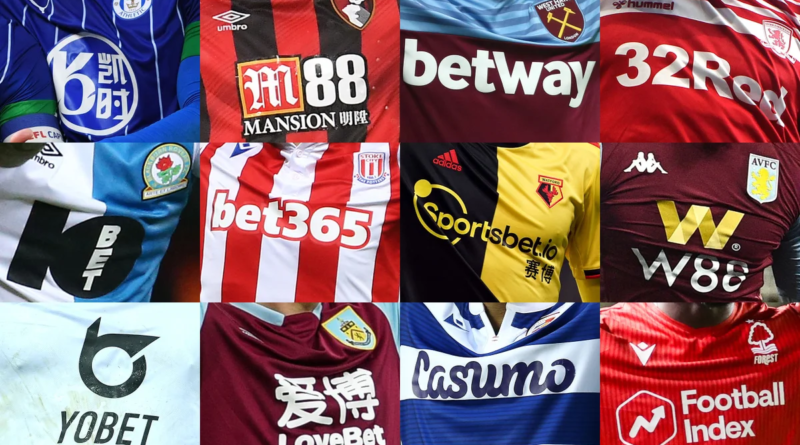
The migration of gambling advertising from sports arenas to festival fields is a calculated evolution. With tightening regulations around sports sponsorship—most notably the upcoming front-of-shirt ban for Premier League clubs—betting brands have pivoted to music and arts events as fertile new ground. This isn’t a subtle shift; it’s a strategic redeployment of marketing budgets into spaces where consumer engagement is high, and experiences are emotionally charged.
The Shift from Sports Arenas
For decades, the symbiosis between sports and gambling sponsorship was the industry’s backbone. However, the 2023 Gambling Act review white paper and sustained public health pressure have forced a rethink. Brands that built their identity on football and horse racing are now seeking associations with lifestyle and leisure. This has seen companies like Bet365 leverage its historic branding at UK music events, transitioning from a purely sports-focused image to a broader entertainment player.
Why Festivals Are a Prime Target
Festivals present a uniquely valuable proposition for gambling companies. They aggregate a large, captive audience over a sustained period, often in a celebratory and less inhibited mindset. The demographic, while varied, frequently includes the coveted 18-35 market. Furthermore, festivals offer multi-platform branding opportunities, from physical installations and sampling activations to integrated digital and social media campaigns, creating a 360-degree marketing immersion.
A Closer Look at Youth-Focused Events and Ethical Lines
The controversy intensifies when these sponsors appear at festivals with a significant teenage and young adult audience. Events like Reading & Leeds, with their legacy and huge 16-24 year-old attendance, sit squarely in this ethical crossfire. The sponsorship of Leeds Festival by Paddy Power, known for its provocative marketing, exemplifies this tension. For festivals like Newcastle’s own Juice Festival, with its core ethos on ethical partnerships and nurturing young creative talent, this commercial model is fundamentally at odds with our values.
Demographics and Duty of Care
While gambling sponsors argue they target only legal-age adults, festival environments are inherently mixed-age. Branding is seen by all, normalising gambling as a core part of the entertainment landscape for the next generation. This creates a profound duty of care dilemma for festival organisers: does the sponsorship revenue outweigh the potential harm of exposing young people to pervasive betting branding during a formative leisure experience?
The ‘Gamblification’ of Festival Entertainment
Beyond static logos, the integration can be more active. Festival apps might include betting odds on which band will have the loudest crowd, or promotional teams run betting-themed games. This ‘gamblification’ frames chance and risk as intrinsic to the fun, subtly blending gambling mechanics with the festival experience itself and blurring lines for all attendees.
The Esports Tournament Link: A New Frontier for iGaming
The rapid growth of esports tournaments at UK festivals has opened a particularly seamless gateway for gambling and skin betting sponsors. Where competitive gaming goes, betting markets often follow. Festivals like the Insomnia Gaming Festival in Birmingham, which blends live gaming, concerts, and community, naturally attract sponsors from the iGaming sector looking to engage with a digitally-native, tech-savvy audience already comfortable with in-game economies and virtual competition.
Betting Markets on Virtual Competitions
Just as with traditional sports, extensive betting markets exist for major esports titles like Counter-Strike 2, League of Legends, and Valorant. Having a physical esports arena at a festival creates a direct, live context for these markets. Sponsors can activate around the tournament, offering odds, promotions, and free bets linked to the matches happening just feet away, creating a powerful feedback loop between watching and wagering.
Brand Activations in the Gaming Zone
In the festival gaming zone, sponsorship integration can be deep. This might include:
- Branded gaming pods or tournament stages.
- Promotional staff engaging attendees with betting-themed challenges for prizes.
- Exclusive hospitality areas for app sign-ups.
- Data capture initiatives linked to game play or competition entry.
This environment makes gambling feel like a natural, exciting extension of the gaming hobby, rather than a separate, risky financial activity.
The Sponsor’s Playbook: What Brands Get From The Deal
For gambling companies, festival sponsorship is a multi-faceted investment with clear, high-return objectives. It’s far more than slapping a logo on a banner; it’s a sophisticated customer acquisition and brand-positioning strategy.
Brand Visibility & ‘Cool’ Association
First and foremost, it’s about visibility and association. Aligning with culturally significant, passion-driven events transfers positive ‘cool’ equity to the sponsor. It moves the brand beyond the transactional realm of odds and payouts and into the emotional world of music, friendship, and unforgettable summer experiences. This associative branding is incredibly powerful for an industry often grappling with a negative public image.
Data, Hospitality, and Customer Acquisition
The tangible business benefits are extensive:
- Data Capture: Festivals are a goldmine for lead generation. Through app downloads, competition entries, and Wi-Fi sign-ins, sponsors can gather valuable first-party data to fuel future marketing.
- High-Value Hospitality: VIP areas and guest lists allow brands to entertain existing high-stakes customers and woo potential new ones in a compelling environment.
- Direct Acquisition: On-the-ground activations with sign-up offers (e.g., “Bet £5, get £20 in festival vouchers”) can directly convert attendees into new, depositing customers with high efficiency.
Pushing Back: Criticism and The Call for Reform
This commercial march has not gone unchallenged. A powerful coalition of voices is calling for a rethink, arguing that public health should trump sponsorship revenue.
Public Health and Regulatory Pressure
Charities like Gambling with Lives and the Big Step campaign have been vocal, highlighting the devastating real-world consequences of gambling harm and criticising the normalisation of betting in youth culture. MPs have raised the issue in Parliament, and the 2023 Gambling Act review white paper explicitly noted concerns about gambling advertising in venues frequented by young people. This regulatory scrutiny is likely to increase, potentially mandating stricter age-gating or outright bans at certain events.
Festivals Choosing Alternative Funding
In response, some festivals are proactively taking a stand. Several independent UK festivals have publicly committed to refusing gambling sponsorship, prioritising their community values over short-term financial gain. They are proving that alternative funding models, while challenging, are possible and can strengthen, rather than compromise, an event’s identity and relationship with its audience.
Beyond the Bet: Imagining Ethical Festival Sponsorship
The future of festival sponsorship doesn’t have to be a binary choice between bankruptcy and betting. A more creative, community-centric model is possible—one that Juice Festival passionately advocates for. This model seeks partners who want to contribute to the cultural fabric, not just extract value from it.
Local Business and Creative Partnerships
Aligning with forward-thinking local and national businesses that share a festival’s ethos can be powerful. This could be a sustainable brewery, a tech startup focused on creative software, a local restaurant group, or an ethical clothing brand. Partnerships can be crafted to go beyond logos, involving collaborative content, unique experiences, and genuine support for the artistic programme, creating a more authentic and integrated presence.
The Role of Arts Councils and Trusts
Increased and more flexible support from public bodies like Arts Council England and charitable trusts is crucial. Recognising festivals as vital cultural infrastructure—especially youth-focused ones like Juice Festival in Newcastle—and funding them accordingly reduces the desperate pressure to accept ethically dubious commercial deals. This public investment safeguards the artistic mission and protects young audiences.
The festival sector stands at a crossroads. It must collectively champion sponsorship that enriches rather than exploits the cultural experience, especially for young audiences. By choosing partners aligned with our creative and community values, we can ensure our festivals remain spaces of inspiration, connection, and pure celebration—untainted by the complex risks of the betting shop. The stakes for our cultural wellbeing are simply too high to place any other bet.